

How Scrum
Strengthens
Project
Delivery
Scrum helps teams surface value earlier, absorb change with less disruption, and keep business priorities driving execution. Rather than waiting until a project closes to measure results, Scrum promotes consistent progress, regular validation, and faster stakeholder acceptance.
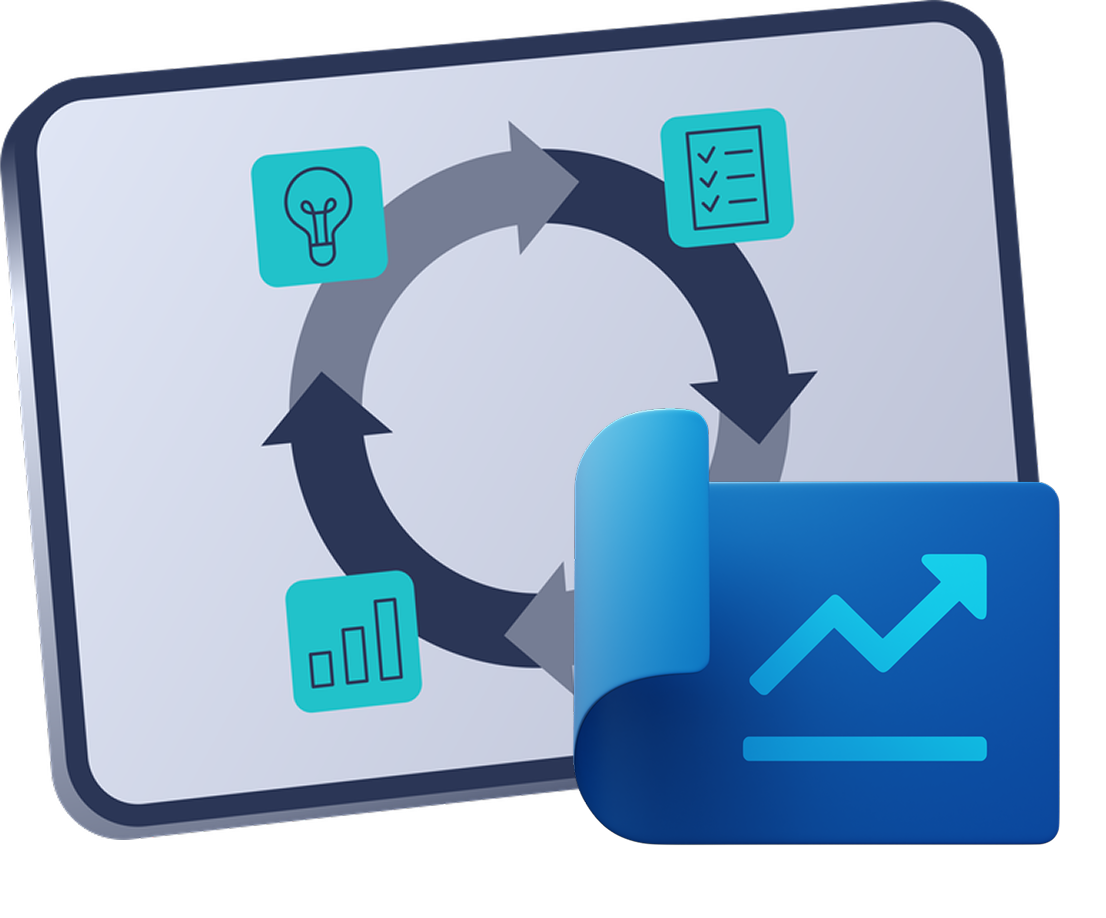
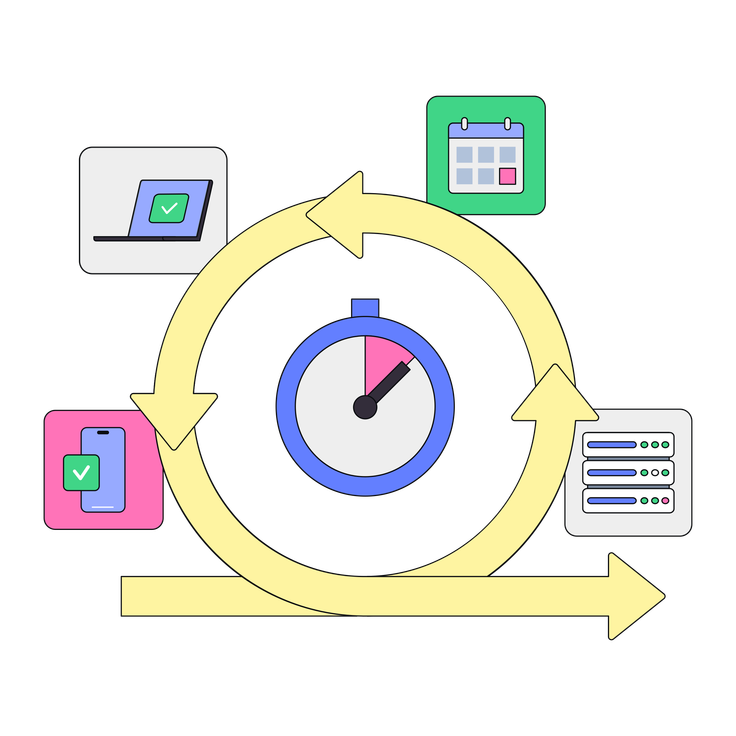
Scrum strengthens project delivery by centering decisions on business value, shortening feedback loops, enabling incremental releases, and maintaining alignment between teams and stakeholders throughout.
Why project delivery gets better with Scrum
Every project exists to produce value — whether that means a new product, service, capability, or business result. Scrum keeps that value visible at every stage of delivery, not just at the end.

Business value leads the way
Work is ordered by what matters most to the business. Teams direct their effort toward the highest-value items first, rather than treating every requirement as equally pressing.

Incremental delivery builds confidence
Scrum drives delivery in usable increments. Stakeholders can review real outputs earlier in the process and build confidence as value accumulates throughout the project.

Feedback sharpens results
Regular reviews make it simpler to confirm direction, align expectations, and refine the backlog before significant time and budget flow toward lower-priority work.

Change gets handled with less friction
As priorities shift, Scrum gives teams a structured way to adapt. This cuts down on the delay and overhead that often comes with rigid, formal change management processes.

Stakeholders remain engaged
Consistent interaction between business stakeholders and delivery teams drives transparency, sharpens decisions, and lowers the risk of costly surprises late in the project.

Acceptance moves faster
Continuous review and refinement of deliverables means the final outcome is far more likely to reflect actual business needs — and earn quicker sign-off from clients and stakeholders.
Scrum vs. traditional delivery approach
Traditional models frequently defer value to the final stages of a project, struggle to accommodate change, and may not sequence work by business impact. Scrum offers a more responsive alternative.

Traditional Approach
- Requirements are often captured upfront and locked in for extended periods
- Delivery order is not always driven by business value
- Change requests tend to be slow and process-heavy
- Stakeholders may wait until late in the project to see usable results
- Value is typically measured only near project completion

Scrum Approach
- Work is sequenced based on business value
- Usable increments are delivered early and consistently
- Evolving needs can be folded in without major disruption
- Stakeholders engage with progress on a regular cadence
- Value is generated and validated across the entire project lifecycle
How Scrum drives stronger delivery outcomes
Better delivery goes beyond speed. It means producing the right work at the right time, with clear visibility and ongoing alignment to business goals.
Prioritize
Direct effort toward the work that delivers the greatest business value first.
Deliver
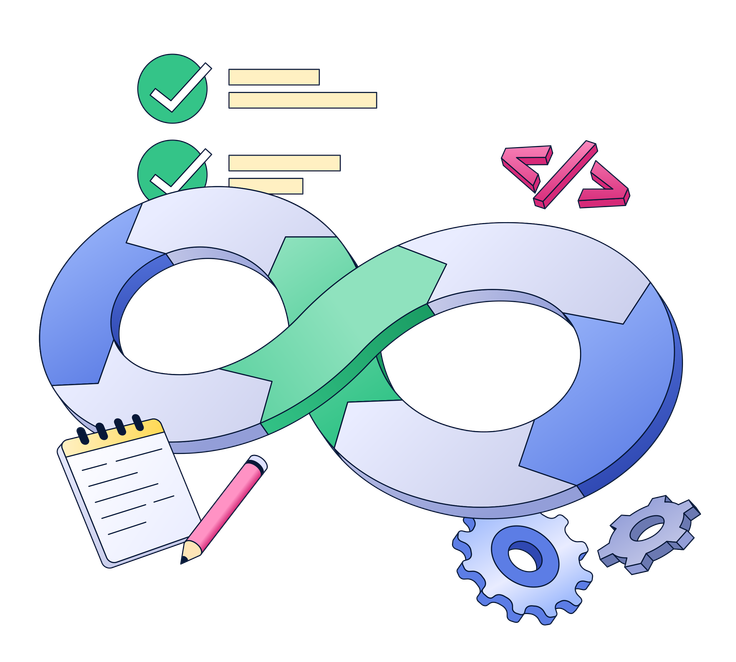
Ship progress in manageable increments instead of holding everything for a single final release.
Review
Collect stakeholder input on a regular basis and confirm that what has been delivered hits the mark.
Adapt
Adjust priorities and plans based on feedback, new information, and shifting business needs.
